Farm races and tracks
All weather races and laneways formed, cambered, metalled and compacted. Built so the herd walks comfortably, the tanker gets in year round, and the surface does not disappear into the mud each winter.
A race is a drainage structure that happens to carry cows
Almost every failed race failed for the same reason: water sat on it. Once water gets into the base, traffic pumps the fines up, the metal works its way down, and you are left with a soft strip that potholes and turns to slop.
So the shape matters more than the metal. We build races with a proper crown so water sheds to the sides instead of running down the middle, with side drains and outfalls that actually take that water somewhere. Get the shape and the drainage right and a race lasts years on modest maintenance. Get it wrong and no amount of metal will save it.
Built for cows’ feet
Lame cows cost money, and the race surface is one of the biggest levers you have. Sharp, coarse or loose top metal bruises soles and causes white line damage, especially where cows are pushed or turn tightly.
We finish races with a well graded, compacted running surface rather than loose rock sitting on the top, and pay particular attention to the pinch points: gateways, corners, the approach to the shed and anywhere the mob bunches up. Those are the spots that cause most of the lameness.
How we build them
- Set out and pegging, including width and grade
- Topsoil and soft material stripped out of the formation
- Subgrade shaped, crowned and compacted
- Geotextile laid over soft or peaty ground where it is needed
- Base course placed in layers and compacted
- Running course placed and rolled to a comfortable surface
- Side drains, culverts and outfalls formed so water leaves the race
- Gateways, crossings and shed approaches built up
Tanker access and the wet months
A race is not just a stock lane. It has to carry a loaded milk tanker in August without rutting, and it has to give the tanker somewhere to turn. We build main races and tanker tracks to take that weight, with the width and the turning space to use them, and we make sure the approach to the shed is the strongest part rather than the weakest.
Good to know
Why do my races keep failing in the same spots?
Almost always water. If a race has no crown or the side drains do not outfall, water sits in the base, traffic pumps the fines up and the metal works down. Fixing the shape and the drainage fixes it more reliably than adding more metal.
Can you build races that suit cows’ feet?
Yes. We finish with a well graded, compacted running surface rather than loose sharp rock, and pay extra attention to gateways, corners and the shed approach where cows bunch up and most lameness starts.
Will the race take a loaded milk tanker?
Main races and tanker tracks are built to carry a loaded tanker year round, with the width and turning space to use them. Tell us the route the tanker takes and we build that section accordingly.
Can you upgrade an existing race instead of rebuilding?
Often yes. If the formation is sound it may just need reshaping, drainage and a new running course. We will tell you honestly whether a rebuild or a repair is the better spend.
Often done at the same time
Farm drainage and culverts
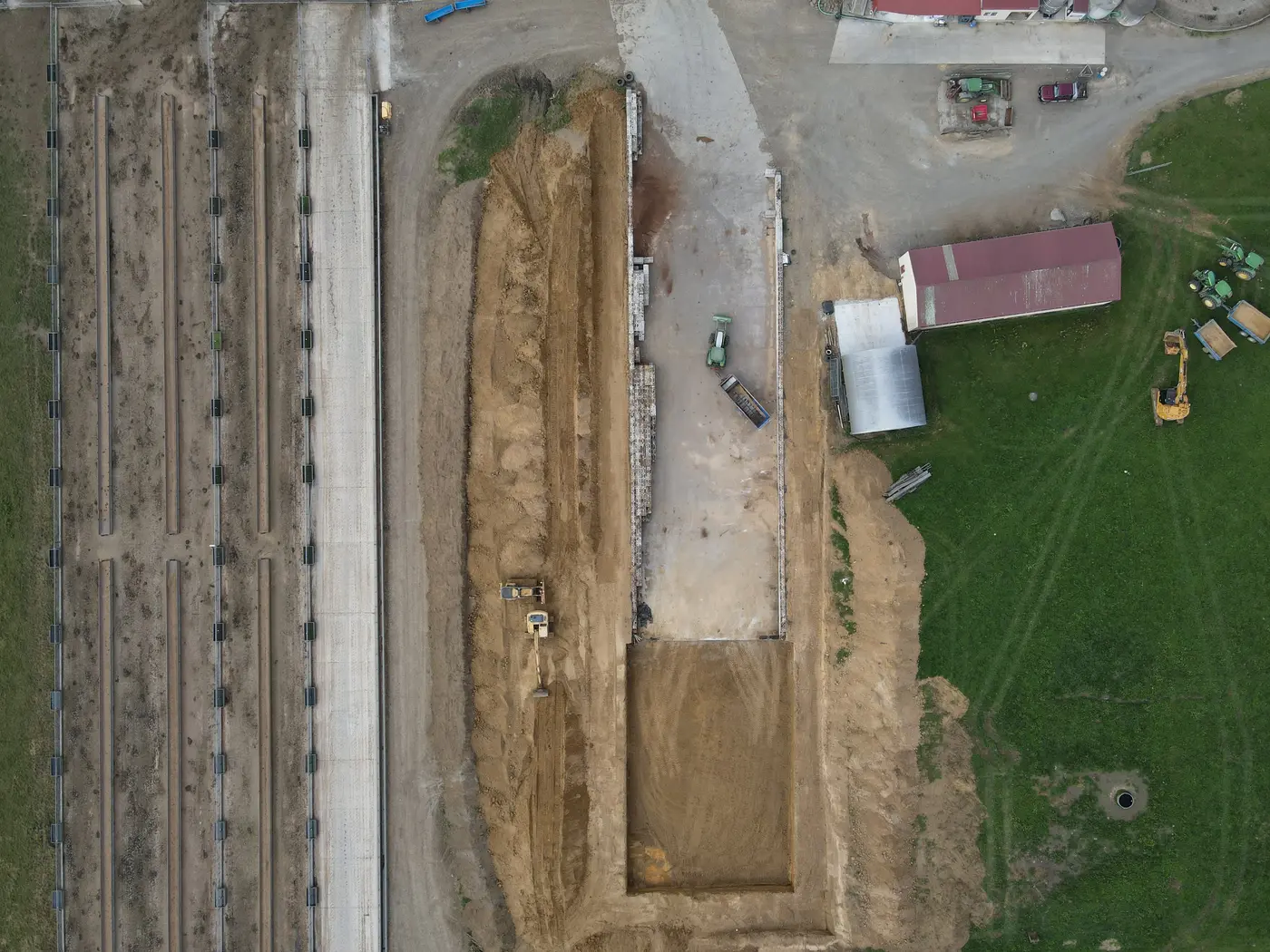
Subsoil drainage, mole drainage, water tables, culverts and crossings. Wet paddocks are lost production, and most of the time the fix is a lot cheaper than the loss.
Feed pads and silage bunkers
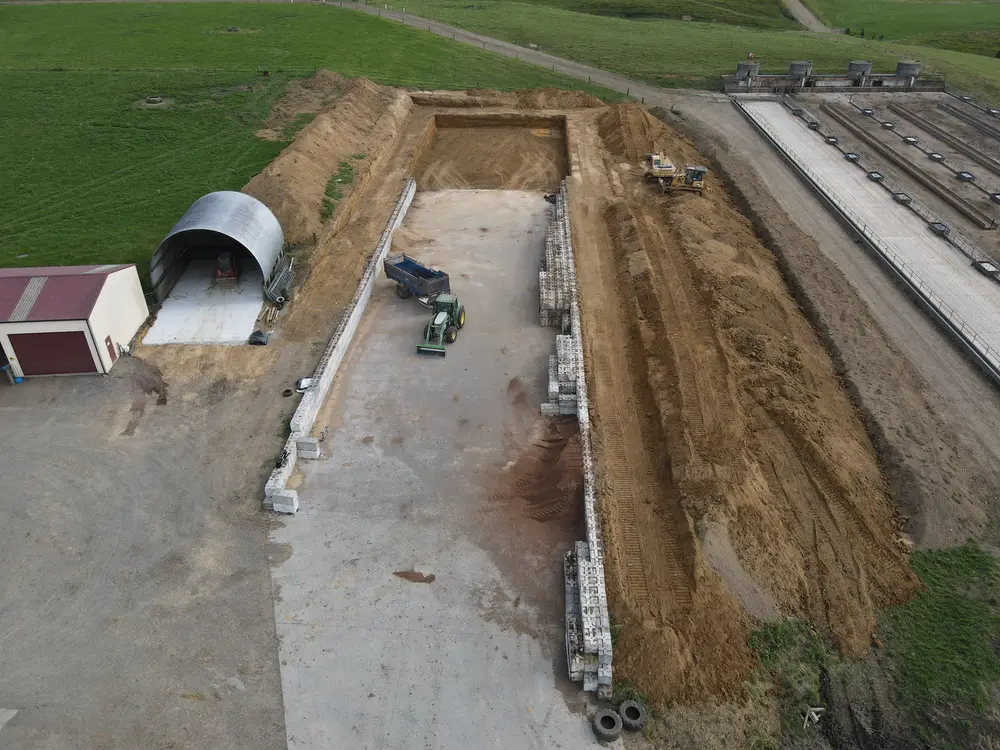
Feed pads, silage stacks and PKE bunkers built square and built to drain. The concrete gets the attention, but it is the base and the fall underneath that decide how long it lasts.
All rural earthworks
See the full range of rural earthworks we take on across the Waikato and King Country.
Across the Waikato & King Country
Owner-operated and local. If you’re on this list or nearby, give Lyndon a call — we cover the wider Waipā district and beyond.
- Te Awamutu
- Cambridge
- Hamilton
- Ōtorohanga
- Kihikihi
- Pirongia
- Waipā
- King Country
- & surrounds